The Real Truth: Papier Photo Book or Thermal Master P3 Thermal Camera?
Category: Cameras
Introduction
When shoppers consider camera-related purchases, they often imagine lenses, sensors and image files. Yet the camera ecosystem includes two very different kinds of products: physical presentation services like the Papier Photo Book, and rugged diagnostic electronics such as the Thermal Master P3 Thermal Camera. At first glance, these offerings are apples and oranges — one turns digital memories into heirloom objects, the other translates invisible heat into actionable images. This comparison, however, is useful because buyers frequently have a single question: which product best solves their real-world needs?
This article examines both products in detail, assesses pros and cons, offers a direct comparison table highlighting practical differences, and provides a buying guide to help readers choose based on typical use cases: family keepsakes, professional portfolios, home inspection, or technical troubleshooting. The aim is informative and editorial—no hype, just clarity on what each product delivers and when it makes sense to invest.
Product Analysis: Papier Photo Book
Papier is a company known for its curated photo book designs, quality paper choices, and a focus on design-led layouts. The Papier Photo Book is a service/product hybrid: users upload images and select layouts, paper, and cover finishes, producing a physical book that turns digital photographs into an object suitable for gifting, archival storage, or portfolio presentation.
What it does well
At its core, a Papier Photo Book emphasizes:
- Design and customization: Templates and typography options that appeal to users who want a crafted, editorial look without custom desktop publishing tools.
- Paper and print quality: Multiple paper stocks and finishes to choose from, which affects color rendition, weight and durability.
- Ease of use: Web and mobile editors that simplify layout for non-designers.
- Gift and keepsake value: A well-made book communicates intent and durability in a way digital albums don’t.
Real-world use cases
- New parents compiling a baby's first-year highlights into a keepsake book.
- Travelers wanting a compact, physical record of a trip to display at home.
- Wedding photographers producing an edition-quality album for clients who prefer a clean, editorial aesthetic.
- Small businesses or creatives producing a tactile portfolio to bring to meetings or fairs.
What buyers typically care about
People choosing a photo book service prioritize color accuracy, paper texture, binding durability, turnaround time, and the editor's flexibility. They also consider the cost per page and the environmental credentials (recycled paper options, FSC certification). Gift presentation options (boxes or embossing) and the ability to order single or bulk copies are common concerns.
Product Analysis: Thermal Master P3 Thermal Camera
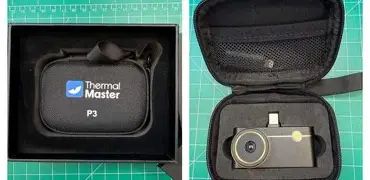
The Thermal Master P3 is a handheld thermal imaging camera positioned at consumers and prosumers who need to visualize temperature differences. It converts infrared radiation into a visible image where colors represent temperature ranges, enabling the detection of heat loss, electrical faults, and living creatures in low light.
Looking for the best Cameras & Photography deals on Amazon?
See Deals →What it does well
Key strengths include:
- Immediate diagnostics: Provides a quick, non-contact way to find hotspots or cold spots in buildings, electrical panels, or machinery.
- Portability: A compact form factor for carrying on job sites or in a toolbox.
- Actionable data: Temperature readouts, spot measurements and sometimes simple reporting functions for documentation.
- Versatility: Useful to a range of users from homeowners checking insulation to HVAC technicians and field engineers.
Real-world use cases
- Home inspectors or homeowners locating heat loss around windows, doors and roofs.
- Electricians finding overloaded circuits or failing components before they lead to failure.
- HVAC technicians troubleshooting ductwork, compressors and refrigerant issues.
- Plumbing professionals using thermal imaging to find hidden leaks behind walls or under floors.
- Outdoor enthusiasts and wildlife researchers monitoring animal presence without intrusive lights.
What buyers typically care about
Prospective buyers focus on thermal resolution (number of pixels in the thermal sensor), sensitivity (ability to detect small temperature differences), temperature measurement range and accuracy, refresh rate, battery life, ruggedness, software ecosystem (image export and reporting), and safety certifications. For professional use, calibration and traceable accuracy often matter for reporting and liability.

Comparison Table
| Feature | Papier Photo Book | Thermal Master P3 Thermal Camera |
|---|---|---|
| Primary purpose | Preserve, present and gift photographic memories | Visualize temperature differences for inspection and diagnostics |
| Typical users | Families, photographers, creatives | Homeowners, technicians, inspectors, field engineers |
| Output | Physical printed book | Digital thermal images and readings (often on-device + exported files) |
| Learning curve | Low — guided editor | Medium — interprets thermal images and understands measurement limitations |
| Upfront cost | Low-to-moderate per book | Moderate-to-high device purchase |
| Longevity | High (physical keepsake with proper care) | Dependent on device life, battery and firmware support |
| Portability | Low — static object, easy to store | High — handheld device |
| Technical requirements | Good-quality source images and layout choices | Some technical knowledge (thermal interpretation, emissivity) |
Pros & Cons
Papier Photo Book
- Pros:
- Beautiful, tactile output that feels personal and permanent.
- User-friendly editor with design-led templates.
- Multiple paper types and cover finishes for personal preference.
- Well-suited for gifting and archiving photographs.
- Cons:
- Color fidelity depends on the print lab and source image editing — can require learning color management.
- Turnaround and shipping add time; not instantaneous like digital sharing.
- Costs scale with size and page count; frequent updates require repeated purchases.
- Physical storage and potential for damage over decades if not protected.
Thermal Master P3 Thermal Camera
- Pros:
- Provides insights not visible to the naked eye—saves time locating issues.
- Portable and easy to deploy on-site.
- Can reduce risk and maintenance costs by early detection of problems.
- Useful across many trades and household tasks.
- Cons:
- Interpretation requires training—false positives or incorrect readings can mislead.
- Thermal resolution and sensitivity vary by model; lower-end devices show blocky images.
- Upfront cost is higher than many consumer gadgets; replacement and calibration costs exist.
- Battery life and software support determine long-term value; firmware issues can impede workflows.
How to Choose: A Practical Buying Guide
Choosing between these two products is less about picking the "better" item and more about matching product capabilities to the buyer's goals. The following questions and checklist help clarify which solution fits a buyer's needs.
Step 1 — Define the primary objective
- If the goal is to preserve memories, create a gift, or produce a printable portfolio, the Papier Photo Book directly addresses that need.
- If the objective is to diagnose physical systems, detect heat-related issues, or gather on-site thermal evidence, the Thermal Master P3 is the relevant tool.
Step 2 — Consider frequency and scale of use
- Occasional users who want one-off keepsakes should factor per-book cost and turnaround time; a photo book is an occasional expense with long-term value.
- Professionals who will use thermal imaging frequently should prioritize sensor specs, battery life, reporting features and warranty; the device becomes an essential tool rather than a consumer gadget.
Step 3 — Budget and lifetime cost
- For photo books: budget for one high-quality volume rather than many low-cost prints. Consider the size, page length and protective options.
- For thermal cameras: consider not only purchase price but also batteries, case/holster, calibration/maintenance and possible accessories like lenses or software subscriptions.
Step 4 — Technical requirements and learning curve
- Photo books require basic photo editing (crop, exposure correction) for best results. Color management is optional unless one needs exact color matching.
- Thermal imaging requires understanding emissivity, reflections and environmental factors that affect readings. Training or practice is recommended before relying on measurements for diagnostics.
Step 5 — Future needs and scalability
- If the purpose may shift (for example, a photographer expanding from digital portfolios to printed books), choose a product that offers flexible ordering and varied product sizes.
- If a business anticipates more extensive diagnostic requirements, consider a thermal camera ecosystem: cloud reporting, multi-device support, and integration with inspection software.
Checklist: Must-have features per product
For a photo book:
- High-quality proofing or soft-proof preview
- Choice of paper stocks and binding types
- Good file format support (JPEG/TIFF) and simple upload process
- Options for protective covers, boxes, and embossing
- Clear pricing for single and bulk orders
For a thermal camera:
- Thermal resolution and NETD (sensitivity) specifications
- Measuring range and accuracy specifications with calibration options
- Battery life comfortable for a full day's work or replaceable battery design
- Ruggedized housing (IP rating) if used outdoors or on tough job sites
- Export formats and report generation for documentation
Cost vs. Value: A Short Reality Check
Many consumers think of cost and price interchangeably, but value is a product of how well the purchase solves an ongoing problem or delivers long-term satisfaction. A Papier Photo Book's cost per copy can be higher than a simple print, but the value for sentimental archives and client presentation is often greater because the product is intentionally designed as a finished object. Conversely, the Thermal Master P3 can feel expensive up-front, but if it prevents a costly equipment failure or speeds diagnostic time for a professional, it pays for itself quickly.
Discover deals on Cameras & Photography — updated daily.
See Deals →Buyers should therefore frame decisions not by sticker price but by expected outcomes: heirloom quality and emotional return versus operational savings and safety improvements.
Final Thoughts and Conclusion
The Papier Photo Book and the Thermal Master P3 Thermal Camera occupy very different niches within the broad "camera" category. Papier converts images into enduring physical artifacts — it is about presentation, memory, and tactile experience. The Thermal Master P3 converts thermal energy into images that inform action — it is about problem-solving, safety and efficiency.
Which is the "right" purchase depends entirely on the buyer's priorities. For someone seeking to celebrate life events, build a polished portfolio, or give a meaningful gift, the Papier Photo Book is a clear choice. For those who inspect buildings, maintain equipment, or need thermal insight in professional contexts, the Thermal Master P3 is the practical investment.
In short: choose the Papier Photo Book to make images last as physical objects; choose the Thermal Master P3 to make invisible heat visible and actionable. Both deliver value, but in fundamentally different ways. Buyers who are honest about their primary needs will find the right product quickly — and those who need both memory preservation and technical troubleshooting can reasonably own both, each serving distinct purposes in life and work.