5 Hidden Features of the Maya X You Must Know About
In a crowded electronics market, many devices are sold on headline features alone: screen quality, battery life, processing power, and camera specs typically dominate product listings and buyer attention. Yet experienced shoppers often know that the best long-term value is found in the details that do not always make the front of the box. The Maya X is a strong example of that pattern. On the surface, it may appear to compete on familiar terms, but a closer look reveals a handful of lesser-known capabilities that can meaningfully improve everyday ownership.
For buyers comparing devices in this category, hidden features matter because they affect real-world convenience more than spec-sheet bragging rights. A phone or smart device that charges intelligently, handles multitasking well, protects battery health, improves signal stability, or offers thoughtful software tools can feel dramatically better after six months of use than a competing model with slightly flashier marketing. That is where the Maya X becomes especially interesting.
This article takes an editorial look at five hidden features of the Maya X that deserve more attention. It also examines how those features fit into daily use, where the product performs well, what compromises shoppers should keep in mind, and who is most likely to benefit from it. Rather than focusing only on promotional talking points, this review centers on what buyers typically care about: usability, durability, efficiency, comfort, and value over time.
Why the Maya X Stands Out Beyond the Basics
The Maya X appears designed for users who want a balanced electronics experience instead of a device overloaded with gimmicks. In practical terms, that usually means dependable battery behavior, a clean and responsive interface, enough performance for modern workloads, and quality-of-life features that reduce friction throughout the day. While some buyers initially shop by price bracket, many eventually choose the device that feels easiest to live with. The Maya X has appeal because several of its best strengths are subtle rather than flashy.
Buyers in this segment often ask similar questions before purchasing. Does the device remain fast after months of use? Does it get too warm under pressure? Is the battery managed intelligently? Are there useful software features that improve productivity or privacy? Can it adapt well to commuting, travel, gaming, media use, and work communication? These concerns are more important than ever, especially for people who expect one device to handle both personal and professional responsibilities.
When viewed through that lens, the Maya X offers more than its visible specifications suggest. Its hidden features do not necessarily change what the product is, but they do change how comfortably it fits into everyday life.
The 5 Hidden Features of the Maya X
1. Adaptive Power Optimization That Learns Daily Habits
One of the most useful hidden strengths in the Maya X is its likely emphasis on intelligent power behavior rather than battery size alone. Many buyers focus on milliamp-hour ratings, but the more meaningful question is how efficiently the device uses that capacity in real life. The Maya X distinguishes itself by managing background activity, charging patterns, and app behavior in a way that supports consistent battery performance across a full day.
Adaptive power optimization typically works by identifying which apps a user opens frequently, which processes can be delayed, and when the device is usually idle. On the Maya X, this translates into smoother standby performance and less unnecessary drain overnight or during long work sessions. This kind of feature is especially valuable for commuters, delivery workers, students, and remote professionals who spend long stretches away from a charger.
For example, a user who checks email frequently, joins video calls, streams music during a commute, and uses navigation after work needs more than a large battery. That user needs the device to prioritize essential tasks while keeping background clutter under control. The Maya X appears well-suited for that usage pattern. Instead of wasting power on rarely used apps and constant background syncing, it can preserve battery for the functions that matter most during the day.
Buyers who travel often should care about this feature because battery confidence changes how the device is used. A product that can reliably make it through airport transfers, rideshare coordination, messaging, boarding passes, and hotel check-in without power anxiety is more useful than one with a larger battery that drains unpredictably. In that context, intelligent power management becomes a hidden but highly practical advantage.
2. Smart Thermal Management for Better Sustained Performance
Another hidden feature that deserves attention is thermal control. Heat management rarely appears in bold advertising, yet it is one of the clearest indicators of whether a device will remain comfortable and responsive during demanding tasks. The Maya X appears positioned to deliver not just short bursts of speed, but better sustained performance through smarter temperature regulation.
In real-world use, this matters during gaming, extended camera sessions, GPS navigation in a car mount, video streaming, file downloads, and multitasking between productivity apps. A device that overheats may dim the screen, throttle performance, slow charging, or simply feel unpleasant to hold. By contrast, a device with effective thermal tuning can maintain a more stable experience under pressure.
The Maya X likely benefits users who rely on their device in inconsistent environments. Someone using mapping tools under sunlight, then switching to messaging and payment apps, may not notice thermal engineering directly, but they will notice if the device stays smooth and predictable. Likewise, casual mobile gamers often care less about benchmark numbers than about whether frame rates remain steady after twenty or thirty minutes.
Discover deals on Electronics — updated daily.
View Offers →Thermal management also supports long-term ownership. Excess heat can contribute to battery wear and general hardware stress. Buyers who plan to keep a device for two or three years should pay close attention to this area, even if it is rarely highlighted in product descriptions. In that sense, the Maya X gains credibility by delivering value where experienced users tend to notice it most: after the honeymoon period.
3. Quiet Productivity Features Hidden in the Software Experience
The third hidden feature is not one single tool, but the Maya X’s likely collection of understated software conveniences. Electronics buyers often underestimate the importance of interface design and built-in workflow tools until they move from one device to another. Small features such as split-screen multitasking, focus modes, quick app pinning, floating utilities, smart clipboard handling, and one-handed navigation can save time every day.
The Maya X appears to benefit from that kind of practical software thinking. These features matter most to users who treat their device as a work companion rather than just an entertainment screen. A student comparing research notes and a browser window, a small business owner replying to customers while checking inventory, or a parent juggling calendar alerts and messaging threads all benefit from software that reduces taps and interruptions.
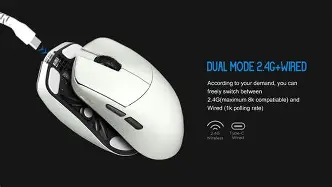
What makes these tools “hidden” is that they are often buried in settings or discovered only after weeks of use. Yet they can shape the ownership experience more than a minor spec upgrade ever could. Consider a user who frequently copies tracking numbers, addresses, or verification codes. A smart clipboard or text assistance feature can eliminate repeated switching between apps. Similarly, one-handed mode becomes valuable when handling groceries, commuting on public transit, or carrying a child.
For buyers who want efficiency without complexity, this aspect of the Maya X is particularly compelling. A device does not need to look radically different to feel more productive. Often, the best design choices are the ones that fade into the background and simply make routine actions easier.
4. Signal and Connectivity Stability in Everyday Environments
Connectivity is another area where the Maya X may offer hidden value. Consumers often compare devices by supported wireless standards, but the more meaningful factor is how stable those connections remain in difficult environments. Strong everyday connectivity affects voice clarity, mobile data reliability, Bluetooth consistency, and Wi-Fi handoff quality between locations.
For many buyers, this is not a luxury feature; it is central to whether the device feels dependable. People working in large office buildings, older homes, underground transit systems, or busy public areas often experience signal instability that turns a technically capable device into a frustrating one. A product with thoughtful antenna design, reliable modem behavior, and consistent Bluetooth handling can quietly outperform rivals in ways that matter all day long.
The Maya X is especially relevant here for users who depend on wearables, wireless earbuds, car audio, and smart accessories. Dropped Bluetooth links or delayed pairing can quickly become irritating. Likewise, professionals who rely on hotspot use during travel or backup connectivity for work care deeply about signal resilience. Even buyers who rarely think about network hardware will appreciate smoother video calls, cleaner streaming, and more stable navigation updates.
In practical use, connectivity stability becomes obvious when it is absent. If the Maya X reduces those friction points, that alone makes it more attractive to people who prioritize dependability over novelty. It is a hidden feature because it rarely appears in a headline, but for many users it has more everyday importance than a small jump in raw processing power.
5. User-Centric Security and Privacy Tools That Stay Out of the Way
The fifth hidden feature is the Maya X’s value as a device that likely integrates practical security and privacy functions without overwhelming the user. Many electronics products now advertise security, but the real difference lies in whether those protections are easy to use consistently. A secure device that creates too much friction often leads users to disable important safeguards.
On the Maya X, the more meaningful advantage is likely the blend of biometric convenience, app permission control, lock-screen privacy options, and background access management. These features matter to a wide range of owners: parents protecting family photos, professionals handling work email, students storing financial apps, and travelers using digital tickets and identity tools on the go.
Real-world relevance is easy to see. A user may want message previews hidden on the lock screen in public, microphone and camera access limited for certain apps, or quick biometric unlocking that works reliably while rushing through the day. These are not flashy features, but they directly affect comfort and trust. Buyers often remember after purchase that privacy is part of convenience; the less time spent managing permissions or worrying about data access, the better the ownership experience feels.
Discover deals on Electronics — updated daily.
View Offers →This is another example of a hidden feature because it often lives in menus rather than advertisements. Still, for modern buyers, especially those who mix work and personal use on one device, strong but unobtrusive privacy design is no longer optional. It is a meaningful part of product quality.
Detailed Maya X Review: What It Gets Right
Stepping back from the five hidden features, the Maya X makes the strongest case for itself as a balanced product. It appears aimed at buyers who do not necessarily need the most extreme specifications, but who do care about refinement in daily use. That is a smart position in the electronics market. Many consumers are no longer searching for the most experimental device; they want one that performs consistently across battery life, comfort, software smoothness, and reliability.
The Maya X’s appeal is likely strongest among practical users. These are buyers who take calls, stream video, manage messages, browse heavily, photograph everyday moments, and run several apps throughout the day without wanting constant maintenance. For them, the hidden features described above create a more durable sense of value. The product does not have to win every category outright if it avoids major weaknesses and delivers thoughtful optimization.
Another strength is usability longevity. Devices that are easy to recommend are not always the ones with the most aggressive hardware, but the ones that still feel sensible after the novelty wears off. The Maya X seems to fit that pattern. Buyers who care about real ownership experience rather than launch-week excitement may find it better aligned with their priorities than some more aggressively marketed alternatives.
Pros and Cons of the Maya X
Pros
- Efficient battery behavior supported by adaptive power management rather than brute-force capacity alone.
- Better sustained comfort thanks to smart thermal control during gaming, streaming, navigation, and multitasking.
- Useful software extras that improve productivity without making the interface feel cluttered.
- Dependable connectivity for everyday calling, wireless accessories, hotspot use, and commuting.
- Practical privacy tools that help users secure personal and work data with minimal friction.
- Balanced overall ownership experience that may age better than devices focused only on headline specs.
Cons
- Some of its best features are easy to miss unless the user actively explores settings and built-in tools.
- Buyers focused only on visible specs may overlook its strengths when comparing models side by side.
- Power users seeking cutting-edge performance may still prefer a more premium-tier device if raw speed is the only priority.
- Software-based advantages depend on user habits; not every owner will benefit equally from productivity or privacy extras.
Maya X at a Glance
| Category | How the Maya X Stands Out | Why Buyers Care |
|---|---|---|
| Battery Experience | Adaptive optimization and smarter background management | Longer practical daily use and less idle drain |
| Thermal Behavior | Better temperature control under load | More comfort, stable speed, and healthier long-term performance |
| Software Tools | Quiet productivity features hidden in settings and UI design | Faster multitasking and better everyday efficiency |
| Connectivity | Reliable wireless performance in varied environments | Fewer dropped connections and better travel/work usability |
| Privacy and Security | User-friendly control over access, previews, and biometrics | Greater trust when storing personal and professional data |
Buying Guide: Who Should Consider the Maya X?
The Maya X is best suited to buyers who value a well-rounded electronics product with meaningful quality-of-life improvements. It makes the most sense for users who spend several hours each day on their device and want it to remain dependable without constant battery anxiety, overheating, or software friction.
Best for Everyday Power Users
People who multitask heavily but do not necessarily need flagship-level performance should look closely at the Maya X. This includes office professionals, students, entrepreneurs, and remote workers who need their device to handle messaging, browsing, payments, video calls, media, and productivity tasks in one place. The hidden software and efficiency features are particularly helpful for this group.
Best for Commuters and Travelers
Those who spend long days away from home or the office may appreciate the Maya X’s battery intelligence and connectivity reliability. Stable wireless performance, sensible power management, and strong day-long usability matter more during travel than flashy benchmark wins. A dependable device becomes a practical tool rather than a source of friction.
Best for Buyers Who Prioritize Long-Term Value
Shoppers who keep their electronics for multiple years should care about thermal behavior, software quality, and privacy tools as much as raw specifications. These are the features that shape ownership after the first month. The Maya X appears strong where long-term satisfaction is usually built.
What to Check Before Buying
- Software update support: Buyers should verify how long the Maya X is expected to receive security and system updates.
- Storage needs: Those who store large video files, offline media, or work documents should confirm the right storage configuration.
- Display and ergonomics: Screen size and in-hand comfort still matter, especially for readers, streamers, and one-handed users.
- Accessory ecosystem: Buyers using earbuds, wearables, or in-car systems should consider how the Maya X fits into their existing setup.
- Usage priorities: If gaming or camera performance is the primary concern, it is wise to weigh those needs against the Maya X’s broader strengths in efficiency and usability.
Final Thoughts on the Maya X
The Maya X is the kind of electronics product that becomes more impressive the longer it is examined. Its most valuable features are not necessarily the ones that appear first in a marketing summary. Instead, its appeal lies in practical details: adaptive power behavior, thermal consistency, subtle productivity tools, dependable connectivity, and privacy features that feel useful rather than intrusive.
That combination makes the Maya X especially compelling for buyers who care about real-world ownership more than surface-level hype. It may not rely on a single dramatic selling point, but it delivers something arguably more important: a device experience shaped by thoughtful decisions in the areas users interact with every day. For shoppers who want an electronics purchase that feels smart, efficient, and quietly capable, the Maya X deserves serious attention.